|
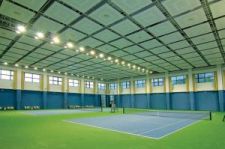
Indoor Tennis for Harsh Weather ConditionsIndoor tennis can be played on carpet, hard, clay, and other synthetic court surface. Carpet is popular in Europe. hard courts are more prevalent in the US. Covered clay courts are an "easy on the knees" surface. Normally a bubble is erected over outdoor clay or a permanent roof is installed with removable siding so the courts can “breathe.” On rare occasions wood might be used for inside play. Normally this is the case when an basketball court is converted into a tennis court. Wood surface is extremely fast. The ball skids and stays low making it difficult to maintain a rally. The big server has a definite advantage on a wood surface.
Depending on your location, covered courts can be an important part of ongoing tennis play. Wet conditions at various times during the year would necessitate courts inside. Also, when temperatures drop below 32 degrees Fahrenheit, indoor tennis more appealing. You can always travel south during the cold North American winter months. I'd be happy to assist you with a visit to Marco Island, Florida. The summer heat can also force climate controlled play, especially when the air quality is poor (which isn't an issue on Marco Island with the continual Gulf breeze). The height of the ceiling should be 60 feet over the net, although 40 feet would work for practice. The backcourt playing room should be at least 21 feet distance to the back wall with a barrier cushion for running safety. The side distance should be at least 12 feet, although 9 feet is allowed for moveable netting. When operating or participating in an adult or junior program it's nice to have access to indoor courts in case of inclement weather. This way there's no break in the program. You never miss a beat. There are no make ups, rescheduling, and refunds to deal with. When the weather looks "iffy" you just move inside and resume the lesson. This is a dream scenario for any pro or coach, much less the players that participate in the lessons. Two additional factors to consider regarding covered tennis are the cost to play and the availability of courts. The cost can be prohibitive for many people, so they choose to wait until the weather conditions improve for outside play. Indoor courts can range from $20 to upwards of $100 an hour depending on the facility and time of day. The higher end clubs and peak hours are more expensive. Often seasonal package rates are offered. Also, covered courts can be difficult to secure when the demand is high and the number of courts is limited. |